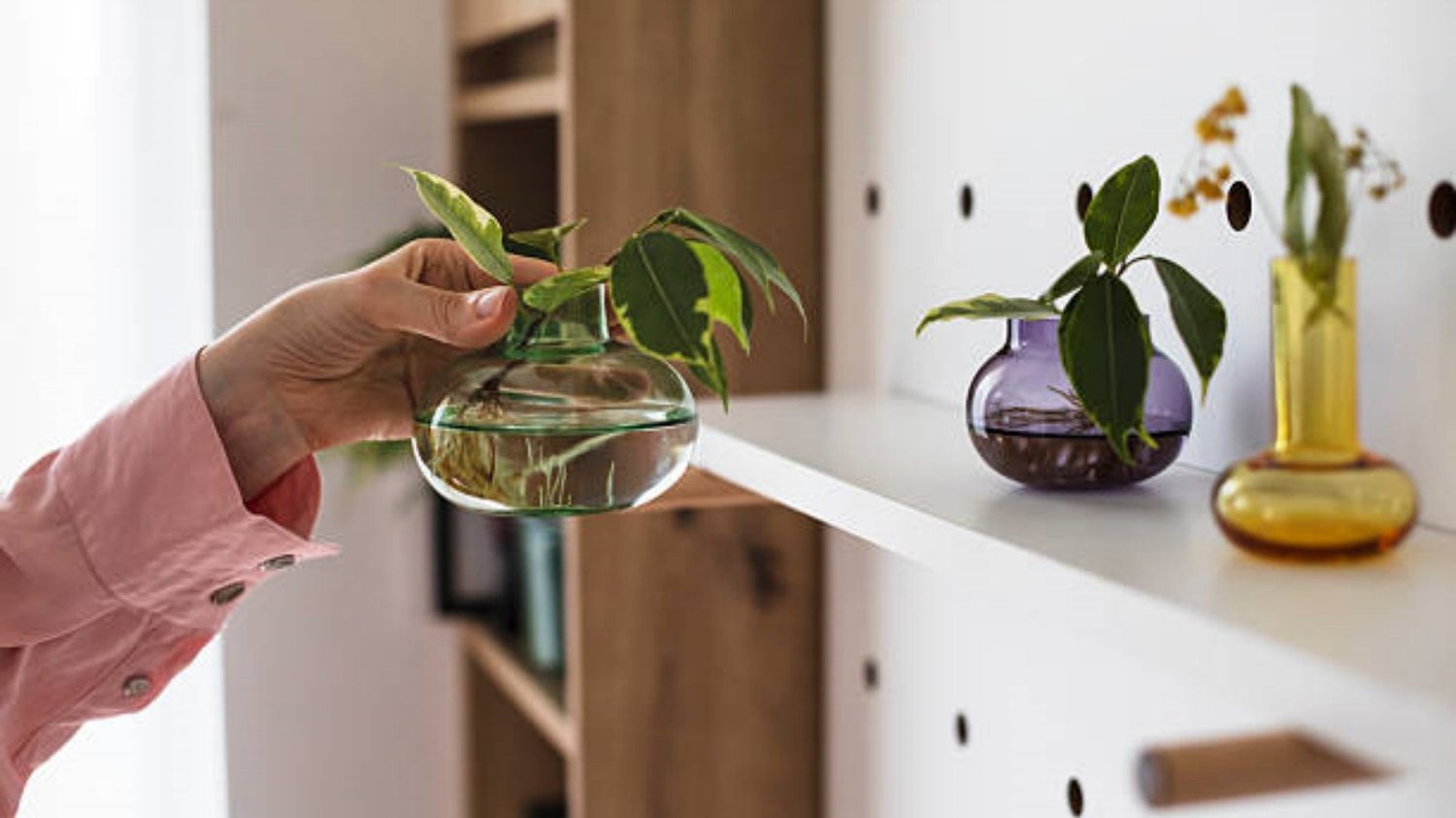
A DIY mini ecosystem in glass is a small, self-sustaining habitat enclosed within a transparent container, typically a glass jar or terrarium. It imitates natural ecological systems by balancing plants, microorganisms, and moisture to recycle nutrients and water without external inputs. This concept not only offers a unique decorative element for homes and offices but also serves as an educational tool to observe ecological processes firsthand.
Choosing the Right Glass Container for Your Mini Ecosystem
Selecting the appropriate glass container is crucial to the success of a DIY mini ecosystem in glass. Clear glass is ideal since it allows light to enter, supporting photosynthesis. Containers can range from small glass jars with lids to large glass bowls or aquariums. A container with a wide opening helps with airflow during setup, while a sealed jar aids in moisture recycling by trapping humidity inside.
Essential Components: Soil, Plants, and Decorations
Creating a flourishing DIY mini ecosystem in glass requires carefully selected components. Start with a layer of small pebbles for drainage to prevent waterlogging. Add activated charcoal to improve air quality by filtering toxins. Top this with nutrient-rich potting soil suitable for your chosen plants. Select small, slow-growing plants that thrive in humid, low-light environments such as mosses, ferns, or succulents. Incorporate natural decorations like twigs and stones to enhance aesthetics and mimic natural habitats.
Watering Techniques for Maintaining Balance
Water management is vital within a closed glass ecosystem where moisture cycles continuously. Overwatering can cause mold growth, while underwatering may lead to plant stress. Initially, lightly mist the plants to establish humidity. After sealing the container, monitor condensation inside the glass—heavy fog indicates too much water, while dry surfaces signal the need for more. Generally, a small amount of water suffices as the ecosystem recycles it through transpiration and condensation.
The Role of Light in DIY Mini Ecosystems in Glass
Light is essential for photosynthesis, which sustains plants and oxygen levels in a DIY mini ecosystem in glass. Indirect sunlight or fluorescent lighting works best, as direct sunlight can overheat and damage the plants, leading to ecosystem imbalance. Position the glass container near a window with filtered light or use a grow light set to low intensity for consistent illumination all year round.
Microorganisms: The Hidden Contributors
Microorganisms are a vital yet often overlooked part of a DIY mini ecosystem in glass. Beneficial bacteria and fungi break down organic matter, recycling nutrients for plant growth. Introducing a small amount of soil from a natural environment can seed your ecosystem with these microbes. Their presence maintains soil health, prevents the buildup of harmful pathogens, and ensures a balanced, thriving habitat.
Common Challenges and Troubleshooting Tips
Maintaining a DIY mini ecosystem in glass occasionally presents challenges like mold growth, yellowing leaves, or stagnant water. Mold can be controlled by reducing moisture and increasing airflow periodically. Yellow leaves often indicate excessive or insufficient light, requiring adjustments. If you notice stagnant water or unpleasant odors, opening the container to refresh air circulation and removing dead plant material can restore balance.
Creative Plant Combinations for Visual Appeal
Choosing a mix of plants with varying textures, colors, and growth habits enhances the visual interest of your DIY mini ecosystem in glass. Combine creeping mosses with upright ferns or low-growing succulents for contrast. Variegated plants can add color appeal while providing different levels of canopy coverage inside the ecosystem. Experimentation with harmonious plant pairings can lead to personalized, striking miniature landscapes.
Environmental Benefits of Glass Mini Ecosystems
Beyond aesthetics, building a DIY mini ecosystem in glass promotes environmental awareness and sustainability. These ecosystems encourage recycling of water and nutrients while requiring minimal external resources. They highlight principles of closed-loop ecological systems, making them practical examples of conservation and green living. The small-scale nature reduces waste and carbon footprint, linking hobby with environmental responsibility.
Expanding Your DIY Mini Ecosystem in Glass: Advanced Ideas
Once familiar with basic setups, enthusiasts can experiment with more advanced concepts such as incorporating aquatic elements, small invertebrates like springtails, or bioluminescent plants to create dynamic visual effects. Layered substrates with varied textures or integrating natural cycles of light and darkness can simulate complex ecological interactions. These enhancements deepen engagement and provide ongoing learning opportunities within a DIY mini ecosystem in glass.
Quote Inquiry
contact us