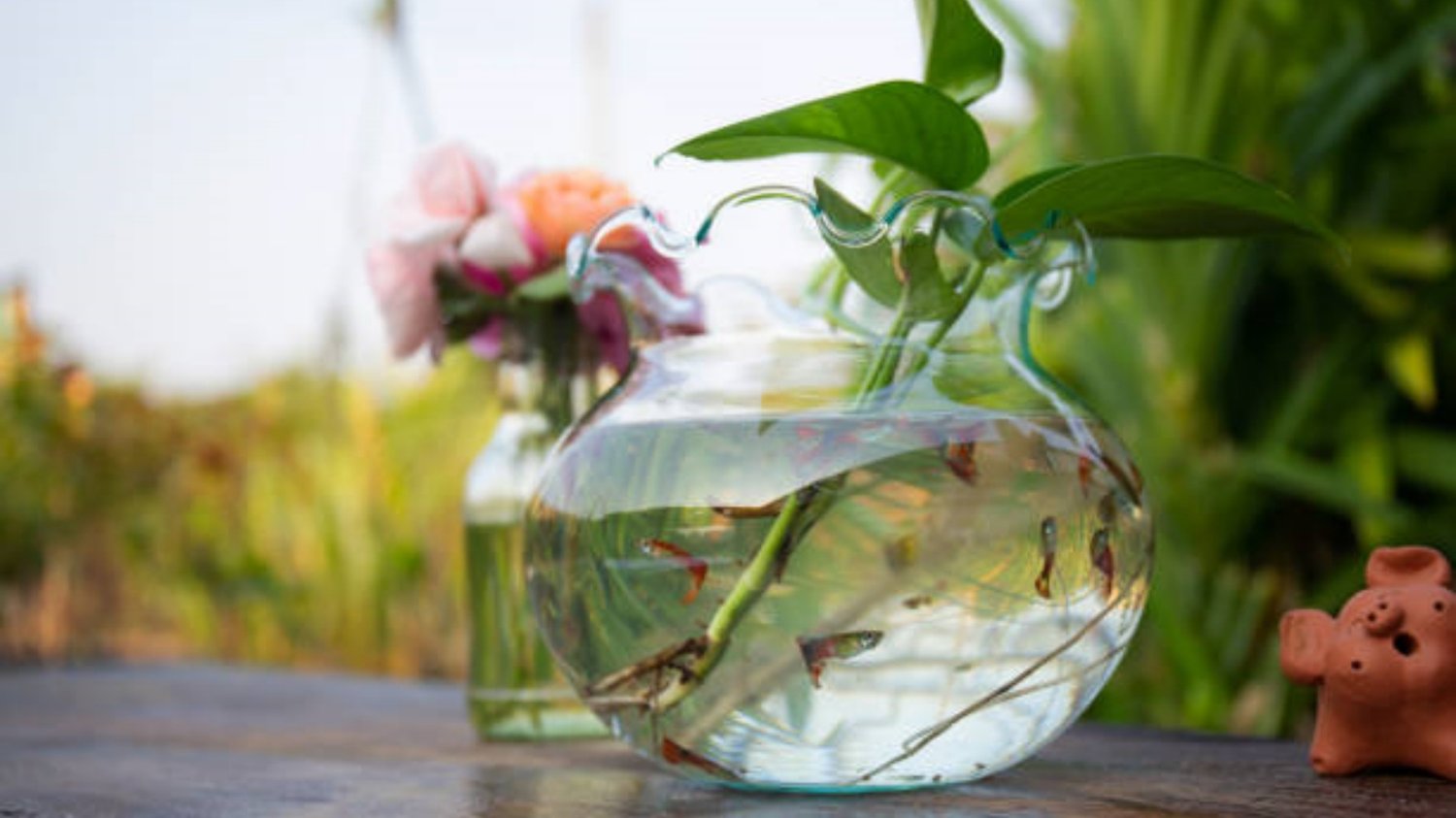
The hydroponic bulb vase planter showcases a unique and sleek design that merges functionality with aesthetics. Resembling a classic light bulb, the transparent glass allows for full visibility of the plant’s roots and water levels, creating an intriguing visual element. This design not only appeals to modern decor enthusiasts but also facilitates easy monitoring of plant health, making it an ideal addition to any indoor space.
Advantages of Hydroponic Cultivation in the Bulb Vase Planter
Hydroponics, a soil-less cultivation method, offers several advantages when integrated into a bulb vase planter. By delivering nutrients directly through water, plants experience faster growth rates and reduced risk of soil-borne diseases. The hydroponic bulb vase planter optimizes space usage and conserves water efficiently, making it a sustainable choice for gardeners and urban dwellers alike.
Best Plant Species for Hydroponic Bulb Vase Planters
Certain plant species thrive exceptionally well in hydroponic bulb vase planters due to their adaptability to water-based environments. Popular choices include pothos, lucky bamboo, philodendrons, and small herbs like basil or mint. These plants benefit from the constant nutrient supply and root oxygenation, promoting vibrant foliage and lush growth within the compact setup of the bulb vase.
Maintaining Optimal Water and Nutrient Levels
Maintaining proper water quality and nutrient balance is critical for the health of plants in a hydroponic bulb vase planter. Regularly replacing water and replenishing nutrient solutions prevents the buildup of algae and harmful bacteria. Using distilled or filtered water can prevent mineral accumulation while ensuring roots receive adequate oxygen, essential for robust plant development.
Setting Up a Hydroponic Bulb Vase Planter at Home
Setting up a hydroponic bulb vase planter at home is a straightforward process. Begin by selecting a transparent glass vase modeled like a bulb, fill the bottom with water mixed with appropriate hydroponic nutrients, and carefully position the plant’s roots inside. Placement near indirect sunlight encourages photosynthesis without overheating the water, offering an ideal environment for the plant’s growth.
Enhancing Indoor Air Quality with Hydroponic Bulb Vase Planters
Indoor plants in hydroponic bulb vase planters contribute positively to air quality by filtering pollutants and releasing oxygen. The continuous water system reduces dust accumulation and supports a humid environment, which is beneficial for respiratory health. Incorporating these planters in living or working spaces can enhance wellbeing while adding natural beauty.
Eco-Friendly Aspects of Hydroponic Bulb Vase Planters
Hydroponic bulb vase planters align with eco-friendly gardening trends by minimizing soil use and reducing water consumption. The closed-loop system recycles water efficiently, lowering overall waste. Moreover, growing plants hydroponically often eliminates the need for pesticides or herbicides, making it a greener alternative to traditional planting methods.
Decorative Uses and Styling Tips
Beyond functionality, hydroponic bulb vase planters serve as elegant decorative pieces. Their transparent structure can be filled with colored stones, sand, or aquatic decor to match various interior themes. Grouping multiple bulb vases with different plants creates a visually appealing indoor garden display that complements minimalist, modern, or rustic design styles.
Educational Value and Scientific Learning Opportunities
Hydroponic bulb vase planters provide an excellent tool for educational purposes, illustrating plant biology and hydroponic principles. Observing root growth and nutrient absorption through the clear glass enhances understanding of plant systems. This hands-on experience supports learning in classrooms or at home, fostering interest in botany and sustainable gardening practices.
Common Challenges and Troubleshooting Tips
While hydroponic bulb vase planters are low-maintenance, some challenges may arise, such as algae growth, nutrient imbalance, or root rot. Regular cleaning and water changes can prevent algae accumulation, while adjusting nutrient concentrations can address deficiencies or toxicities. Ensuring proper air circulation and avoiding direct harsh sunlight helps protect plant roots from damage and disease.
Quote Inquiry
contact us