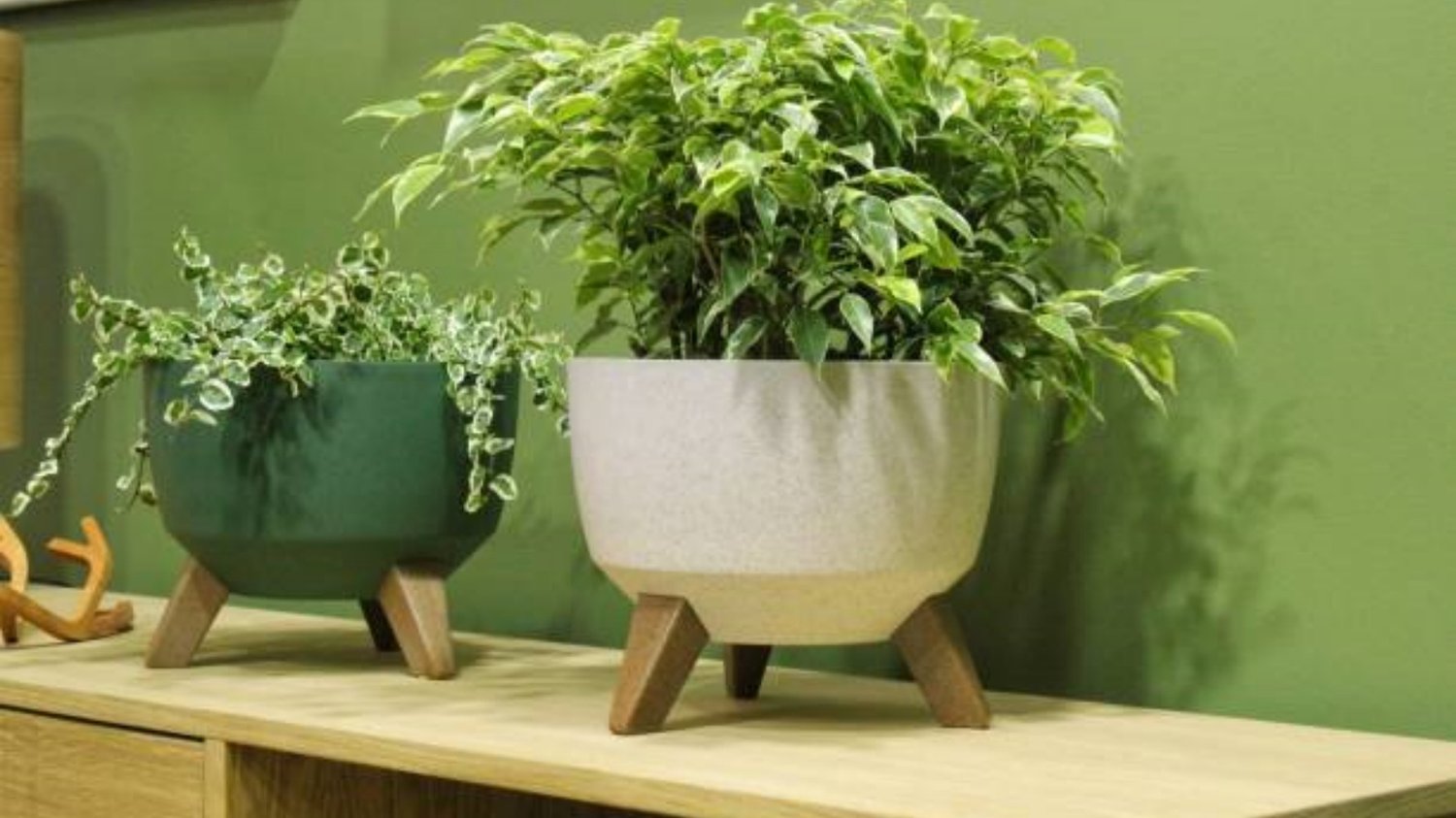
Garden ceramic planters have become a popular choice for both amateur and professional gardeners. Known for their durability and aesthetic appeal, these planters combine functionality with style, making them an excellent addition to any outdoor space. Their ability to retain moisture while allowing breathability makes them ideal for a wide variety of plants.
2. Benefits of Using Ceramic Planters in Gardens
One of the primary benefits of garden ceramic planters is their excellent temperature regulation. Unlike plastic or metal containers, ceramic absorbs and distributes heat evenly, protecting plant roots from extreme temperature fluctuations. This thermal insulation helps maintain healthy plant growth throughout the seasons.
3. Styles and Designs of Garden Ceramic Planters
Garden ceramic planters come in numerous styles, from traditional glazed finishes to modern matte textures. They can also feature intricate patterns, bold colors, or natural earth tones, making it easy to complement any garden decor. This versatility allows gardeners to express their personality through the arrangement of these decorative yet practical containers.
4. Choosing the Right Size for Your Garden Ceramic Planter
Selecting the appropriate size of a garden ceramic planter is crucial for plant health. Larger planters provide ample space for root expansion and moisture retention, supporting bigger plants and reducing watering frequency. However, smaller ceramic pots are perfect for herbs or succulents and allow for easy rearrangement within the garden.
5. Durability and Maintenance of Ceramic Planters
High-quality garden ceramic planters are known for their robustness. They resist cracking and chipping under normal use but should be handled with care to prevent damage. Regular maintenance includes cleaning with mild soap and water and avoiding exposure to harsh weather conditions during winter to prolong their lifespan.
6. Enhancing Garden Aesthetics with Ceramic Planters
A garden ceramic planter can act as a focal point or accent piece in any outdoor setting. Their ability to blend with natural elements such as stone, wood, and foliage creates a cohesive look. Strategic placement of colorful ceramic planters can brighten dull areas and elevate the overall visual appeal of the garden.
7. Environmental Considerations of Ceramic Garden Planters
Ceramic planters are an eco-friendly option compared to plastic pots, as they are made from natural clay and are often recyclable. Their long-lasting nature reduces the need for frequent replacement, thereby minimizing waste. Choosing sustainable ceramic production methods enhances the planter’s environmental benefits.
8. Suitable Plants for Garden Ceramic Planters
Garden ceramic planters support a diverse range of plants, including flowering species, succulents, herbs, and small shrubs. Their moisture-retentive properties are perfect for moisture-loving plants, while glazed varieties prevent excess water loss, ideal for semi-arid plant species. This adaptability makes ceramic planters suitable for almost any garden theme.
9. Indoor-Outdoor Versatility of Ceramic Planters
Besides outdoor gardens, ceramic planters are extensively used indoors due to their lightweight and decorative appeal. Their porous surface allows for healthy root systems even when placed inside, making them a favorite among houseplant enthusiasts. Their design complements interior settings, bridging indoor plants with outdoor gardening trends.
10. Tips for Purchasing the Best Garden Ceramic Planter
When buying a garden ceramic planter, consider factors such as drainage holes, glaze finish, weight, and size to meet specific gardening needs. Ensure the planter is frost-resistant if you live in colder climates. Additionally, look for reputable brands or artisans that offer quality craftsmanship to guarantee longevity and performance.
Quote Inquiry
contact us