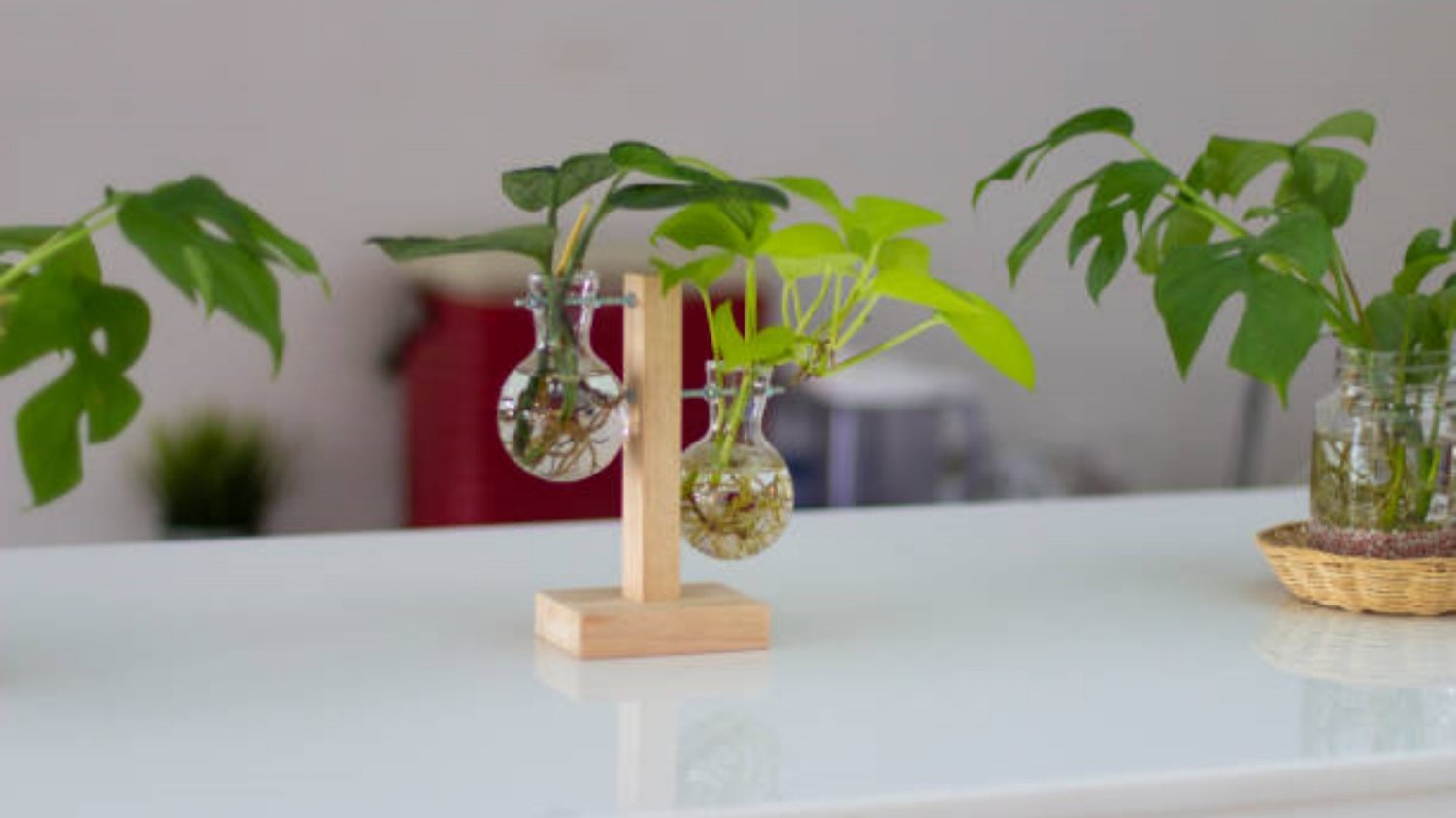
Introduction to Bulb Vase Terrariums
Creating a bulb vase terrarium is a delightful and creative way to bring nature indoors. Unlike traditional terrariums, a bulb vase terrarium uses a clear, often vintage or repurposed glass bulb vase as the container, offering a unique aesthetic and compact design. This project combines horticulture with art, resulting in a charming miniature garden perfect for desks, shelves, or windowsills.
Choosing the Right Bulb Vase for Your Terrarium
Selecting the right bulb vase is essential when learning
How to make a bulb vase terrarium. Transparent glass bulbs with a wide enough opening allow for easy planting and maintenance. Sizes vary, so choose one that suits the plants you intend to grow. Vintage or artisanal glass bulb vases add a decorative touch and enhance the overall look of your terrarium.
Understanding the Ideal Plants for Bulb Vase Terrariums
The best plants for a bulb vase terrarium are small, slow-growing varieties that thrive in humid, enclosed environments. Succulents, air plants, moss, and small ferns are ideal because they require minimal soil and light. When considering how to make a bulb vase terrarium, focus on plants that fit well within the limited space and have complementary watering needs.
Preparing the Bulb Vase: Cleaning and Setup
Before adding soil and plants, thoroughly clean the bulb vase to prevent mold and unwanted bacteria. Use a mixture of warm water and mild soap, followed by rinsing and air-drying. This step is crucial in ensuring a healthy environment for the plants and a long-lasting bulb vase terrarium.
Layering Materials for Optimal Drainage
Proper layering inside the bulb vase is critical for plant health. Start with a layer of small pebbles or gravel at the bottom to create drainage, preventing water accumulation that can lead to root rot. Follow with activated charcoal to filter impurities and control odors. Finally, add a thin layer of terrarium soil suitable for your chosen plants.
Planting Techniques within the Bulb Vase
Planting in a bulb vase requires care due to the narrow opening and limited space. Use long tweezers or sticks to position plants gently inside the vase. Create small pockets in the soil to accommodate roots and ensure plants are firmly anchored. Plant arrangement should consider both aesthetics and plant compatibility for a balanced terrarium.
Watering Tips for Bulb Vase Terrariums
Watering plays a vital role in the success of your bulb vase terrarium. Overwatering is a common mistake; the enclosed space means moisture evaporates slowly. Use a spray bottle or a small watering tool to add water sparingly. Pay attention to condensation on the glass as a natural indicator of moisture levels.
Lighting Requirements for Healthy Growth
Bulb vase terrariums usually thrive in bright, indirect light. Direct sunlight can overheat the glass and scorch plants, while low light can stunt growth. Placing your terrarium near a window with filtered sunlight or using artificial grow lights ensures plants receive adequate illumination without damage.
Maintenance and Care for Longevity
To maintain a thriving bulb vase terrarium, regularly monitor plant health, soil moisture, and light exposure. Remove dead leaves promptly to prevent mold growth and trim plants as needed to prevent overcrowding. Periodic airing of the terrarium helps regulate humidity, especially if condensation becomes excessive.
Creative Variations and Personalization Ideas
How to make a bulb vase terrarium also involves personal creativity. Experiment with decorative elements such as colored sand, miniature figurines, or natural accents like shells or crystals. Seasonal themes and plant rotations can refresh your terrarium’s appearance, making it a dynamic piece of indoor décor.
Quote Inquiry
contact us